

Seasonal activities can help assisted living residents stay socially connected, physically active, mentally engaged, and aware of the changing world around them. In Coraopolis, PA, planning should account for cold winters, wet springs, warm summers, and autumn weather that can change quickly.
The most successful activities are not necessarily elaborate. Familiar routines, manageable choices, and opportunities to participate at different ability levels often matter more than the size of the event.
What makes a seasonal activity suitable for assisted living residents?
A suitable activity is safe, adaptable, and meaningful to the people taking part. It should allow residents to participate while seated, standing, indoors, outdoors, independently, or with assistance as needed.
Useful planning considerations include:
- Mobility, balance, vision, hearing, and stamina
- Cognitive changes or memory loss
- Medication schedules and rest periods
- Temperature, humidity, rain, ice, and air quality
- Access to restrooms, seating, shade, and drinking water
- Personal preferences, cultural traditions, and past occupations
- Whether the activity can be simplified without becoming childish
Activities should offer choices rather than pressure. A resident may prefer arranging flowers instead of planting them, listening to music instead of dancing, or observing a cooking demonstration instead of handling ingredients.
How can residents enjoy winter activities safely?
Winter activities are often most successful indoors, especially during periods of ice, snow, wind, or freezing temperatures. Short periods near a sunny window can provide a change of scenery without requiring outdoor travel.
Ideas include:
- Creating winter centerpieces with pinecones, paper snowflakes, or artificial greenery
- Holding a hot beverage social with caffeine-free options and clearly labeled temperatures
- Looking through family photographs and sharing memories of winter traditions
- Listening to familiar music from different decades
- Organizing indoor walking routes with seated rest points
- Hosting a simple indoor “snow day” with puzzles, card games, movies, or storytelling
- Growing herbs or small plants near a bright window
Outdoor winter exposure requires extra attention. Ice near entrances, parking areas, ramps, and sidewalks can create fall risks. Residents should have suitable footwear, warm layers, and a way to return indoors promptly. Cold weather may affect people with heart or lung conditions more severely, so outdoor time should be brief and based on individual health guidance.
A common misconception is that winter activities must be holiday-centered. Many residents may enjoy nature themes, history, music, crafts, or food traditions that are not connected to a particular celebration.
What spring activities work well after a long winter?
Spring provides opportunities to reconnect with outdoor spaces, but the transition should be gradual. In Coraopolis, wet ground, muddy paths, cool mornings, and changing temperatures can make outdoor surfaces difficult to navigate even when the weather feels pleasant.
Good spring activities include:
- Planting seeds in raised containers or tabletop planters
- Watching birds from a covered porch or through a window
- Decorating flowerpots with paint or weather-resistant materials
- Sorting seed packets or identifying common garden plants
- Taking short walks on level, familiar routes
- Hosting a spring music program or poetry reading
- Preparing fruit salads, herb spreads, or other simple recipes
Gardening can be adapted for residents with limited hand strength. Lightweight tools, large-handled utensils, raised planters, and prefilled containers make participation easier. Residents who cannot garden physically may still enjoy choosing colors, naming plants, watering with assistance, or keeping a seasonal observation journal.
Spring allergies also deserve consideration. Activities can be moved indoors on high-pollen days, and residents should have access to tissues, water, and prescribed medications according to their care plans.
How can summer activities avoid heat-related problems?
Summer activities should usually take place during cooler parts of the day, such as the morning or early evening. Heat, humidity, direct sun, and dehydration can affect older adults quickly, even when the temperature does not seem extreme.
Practical summer options include:
- Seated outdoor exercise under shade
- Porch conversations with music from residents’ younger years
- Watercolor painting, sketching, or flower arranging
- Indoor cooking demonstrations using seasonal fruits and vegetables
- Nature observation from a shaded area
- Ice cream or fruit tasting with attention to dietary restrictions
- Simple lawn games adapted for seated participation
- Indoor travel programs using photographs, maps, and recorded music
Hydration should be planned rather than left to chance. Water and other appropriate beverages can be offered before, during, and after activities. Staff and family members should watch for unusual fatigue, dizziness, confusion, headache, weakness, or changes in behavior.
Not every summer activity needs to happen outdoors. An air-conditioned room with natural light, seasonal decorations, and a view of trees or gardens can still provide a strong sense of summer without exposing residents to heat.
Which fall activities encourage conversation and memory?
Fall often supports reminiscence because seasonal sights, smells, foods, and sounds can prompt detailed memories. Activities should invite conversation without requiring residents to remember specific facts.
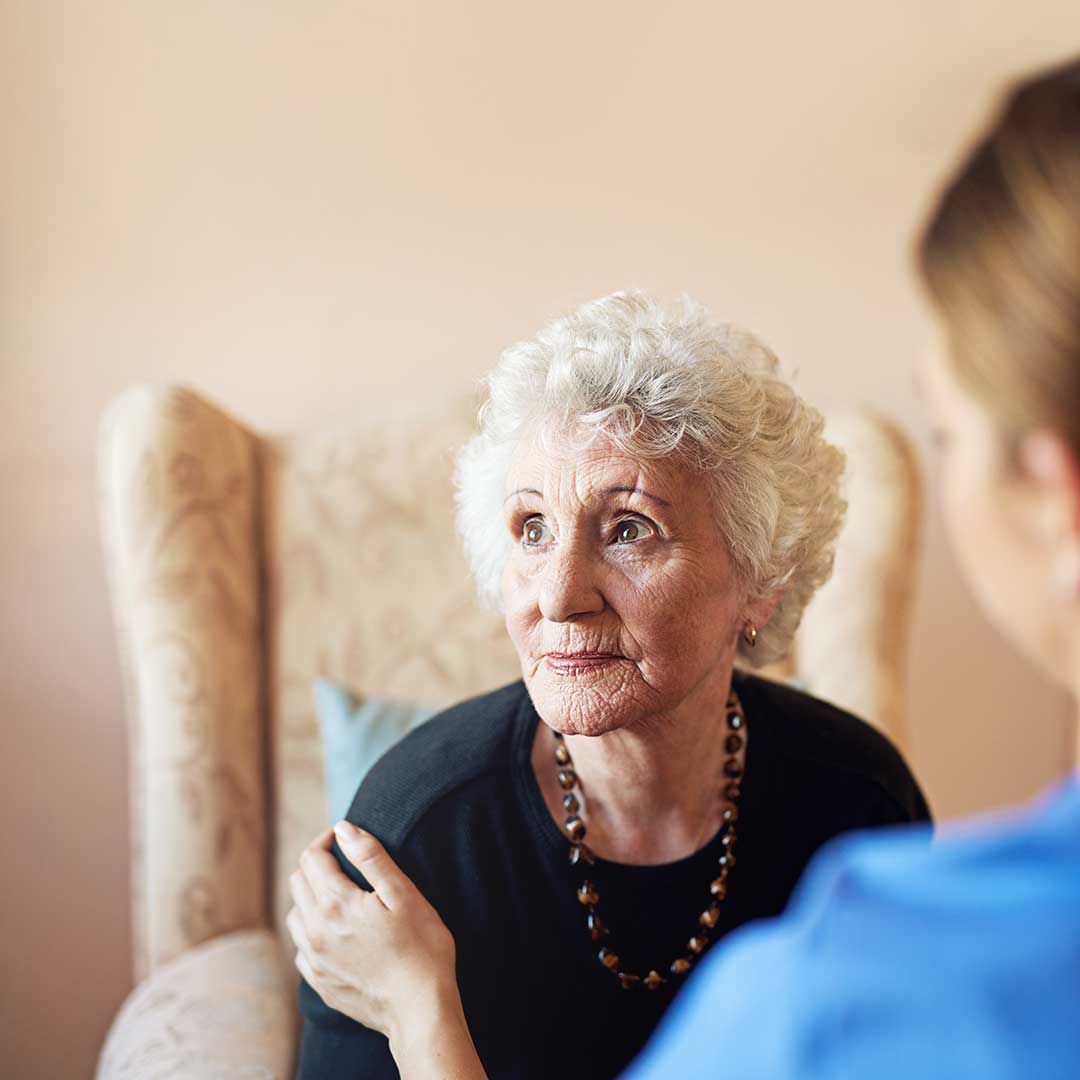
Examples include:
- Decorating with leaves, gourds, or handmade paper art
- Comparing photographs of past autumns
- Preparing or tasting familiar seasonal foods
- Listening to music associated with school days, harvests, or family gatherings
- Making table decorations in warm colors
- Taking a brief outdoor walk to notice changing leaves
- Sharing stories about past jobs, hobbies, sports, or community events
- Reading short poems or personal essays about autumn
Memory-based activities should not feel like tests. Open-ended prompts work better than questions that imply a right answer. For example, “What did autumn feel like when you were growing up?” allows residents to respond through stories, feelings, or sensory details.
Outdoor fall activities still require caution. Leaves can become slippery when wet, and reduced daylight may affect visibility. Seating, handrails, clear pathways, and suitable lighting help reduce unnecessary risk.
How should activities include residents with dementia or limited mobility?
Residents with dementia can often participate successfully when activities are familiar, structured, and not overly long. Repetition may be comforting rather than boring. A person who does not remember completing an activity may still enjoy the sensory experience.
Helpful adaptations include:
- Presenting one step at a time
- Using large, easy-to-see materials
- Offering hand-over-hand assistance only when appropriate
- Limiting background noise
- Allowing extra time for responses
- Using familiar scents, songs, fabrics, or objects
- Creating roles such as sorting, folding, choosing, or observing
- Stopping before the resident becomes tired or frustrated
For residents with limited mobility, the activity itself can be brought closer. A gardening table, lap craft, seated dance routine, or window-based birdwatching activity may be more inclusive than asking everyone to move to a distant location.
Participation should never be measured only by completing a project. Conversation, sensory enjoyment, shared attention, and watching others can all be meaningful forms of engagement.
How can families support seasonal engagement?
Families can contribute familiar materials, photographs, recipes, music suggestions, or stories connected to a resident’s past. A short visit centered on one seasonal activity may be easier and more enjoyable than a long, unstructured visit.
Families can ask residents about:
- Favorite seasonal foods
- Past gardening or outdoor hobbies
- Weather memories
- Important celebrations or traditions
- Music associated with a particular time of year
- Preferred indoor and outdoor activities
The most useful approach is to treat seasonal programming as flexible. Weather, health, energy levels, and personal interest can change from day to day. A simple activity adjusted thoughtfully is often more enjoyable than a complicated event that leaves residents tired or uncomfortable.
