

How Do Volunteers Support Assisted Living Communities?
Volunteers serve as a bridge between assisted living residents and the broader community, enhancing daily life for many individuals. Their presence supplements the work of staff and adds a layer of warmth, variety, and engagement that is difficult to achieve otherwise. In Coraopolis, PA, volunteers may come from nearby neighborhoods, schools, or faith groups, offering their time in ways that connect generations and backgrounds.
What Activities Do Volunteers Typically Help With?
Volunteers in local assisted living settings often focus on activities that brighten days and encourage participation. This support can include:
- Leading or assisting with crafts, games, music, and holiday celebrations
- Facilitating conversation groups, reading, or writing letters with residents
- Helping to organize outings in the Coraopolis area, such as walks in local parks or group visits to community events
- Visiting residents who might not receive frequent guests, offering companionship and attentive listening
- Assisting with gardening, decorating shared spaces, or preparing seasonal displays
These activities are designed to alleviate loneliness, build community spirit, and help residents stay connected to hobbies and interests.
Why Are Volunteers So Valued by Residents?
Volunteers bring fresh energy, different perspectives, and a sense of connection to daily routines. Many residents look forward to seeing familiar volunteer faces or meeting new community members. Volunteers:
- Offer undivided attention without the time pressures staff may face
- Share local news, personal stories, or unique skills (such as music or storytelling)
- Demonstrate that people from outside the facility care, which is especially meaningful for those with few family visitors
In smaller communities like Coraopolis, volunteers sometimes have personal ties to residents—such as past neighbors or local students—which can make visits even more special.
What Are Some Common Misconceptions About Volunteering in Assisted Living?
One frequent misconception is that volunteers are expected to provide medical care or take on challenging responsibilities. In reality, volunteers help with social, recreational, and comfort activities rather than personal care or nursing duties. Another misconception is that only retirees can volunteer; many successful programs include teens, college students, and working adults contributing just a few hours a month.
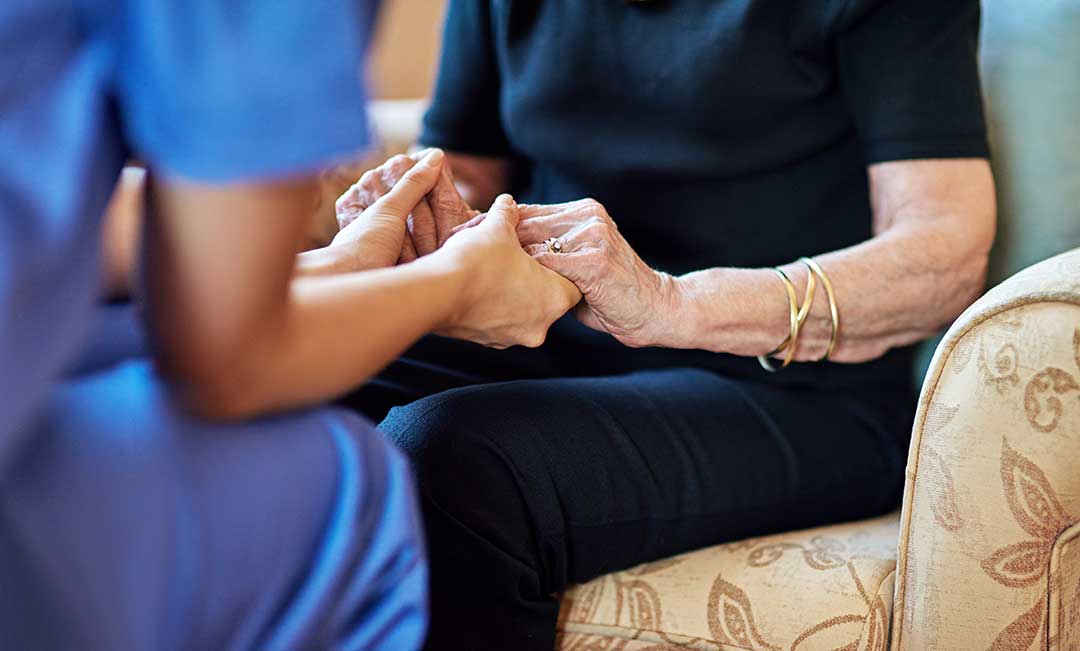
There’s also a mistaken belief that volunteering is a one-way transaction. In practice, residents often share wisdom, stories, or life lessons that leave volunteers feeling deeply rewarded.
How Does the Local Setting Influence Volunteer Roles?
The Coraopolis area’s seasonal weather, park spaces, and close-knit housing patterns influence the types of volunteer activities available. For instance, during milder months, volunteers may help coordinate safe outdoor walks, gardening on patios, or neighborhood-viewing drives. Winter often shifts focus indoors with craft projects, music, and shared movie nights.
Volunteers from local schools or organizations may bring creative group activities that reflect community traditions or holidays, ensuring events feel connected to the rhythms of local life.
How Can Families and Residents Welcome Volunteer Involvement?
Families and residents play a key role in making volunteer visits successful. Residents who express their interests—like favorite games, music styles, or hobbies—help volunteers create more meaningful experiences. Family members can also suggest ways volunteers might best connect, such as bringing familiar conversation topics, photos, or local news.
Building friendly, open communication with volunteers encourages repeat visits and sustainable relationships, benefiting all involved.
Are There Safety or Privacy Considerations for Volunteers?
Assisted living communities in the area have guidelines to ensure everyone’s safety and dignity. Volunteers typically complete orientation sessions on privacy, emergency procedures, and respectful interaction with residents. This helps protect residents’ rights and ensures appropriate boundaries are maintained.
Volunteers do not handle medications, personal hygiene care, or resident finances. Their focus remains on companionship, enrichment, and non-medical support. In Coraopolis, as elsewhere, these ground rules create a trusted environment for both residents and volunteer guests.
How Do Volunteers Shape Community Spirit in Assisted Living?
By offering time and attention, volunteers help assisted living settings feel less isolated and more integrated with the wider Coraopolis community. This often leads to broader participation in community events, greater intergenerational understanding, and a greater sense of purpose for residents.
Volunteers also serve as advocates, sharing their experiences and encouraging neighbors to support area seniors through visits or involvement with group projects. Even those who only volunteer occasionally help foster relationships that stretch beyond the walls of assisted living and into the life of the city.
