
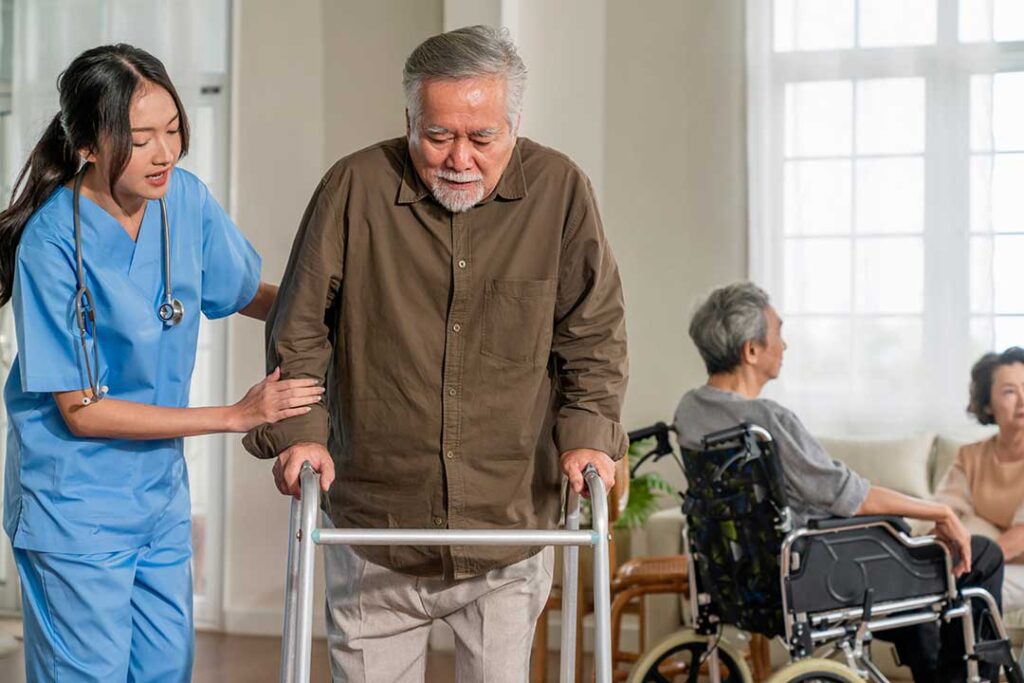
Why Is Fall Prevention So Important in Assisted Living Communities?
Falls are among the most common safety concerns for older adults living in group settings, including assisted living communities. For many residents in Coraopolis, PA, a fall can mean more than just bumps and bruises; it can result in serious injuries, lost independence, and a lengthy recovery process. Understanding fall risks and effective prevention strategies helps maintain a higher quality of life and allows residents to feel more at ease in their daily routines.
What Are the Most Common Causes of Falls?
Falls often result from a combination of age-related changes, medical conditions, and environmental hazards. In Coraopolis, common factors include:
- Reduced muscle strength and balance issues
- Vision or hearing impairments that make it harder to detect hazards
- Medications that cause dizziness or drowsiness
- Wet floors and icy walkways, especially during western Pennsylvania winters
- Clutter or small items left in walkways
- Poor lighting in hallways, bathrooms, or bedrooms
Recognizing these risks is the first step toward developing effective prevention habits.
Which Home Modifications Matter Most for Safety?
Simple changes can dramatically lower fall risk. In assisted living settings, rooms and common spaces are often adapted, but residents and family members can add extra layers of safety.
Recommended modifications include:
- Installing grab bars in bathrooms near toilets and inside showers
- Using non-slip mats in tubs and on bathroom floors
- Making sure all walkways are free from cords, loose rugs, and clutter
- Placing nightlights in bedrooms and hallways to improve visibility at night
- Ensuring that everyday items are stored within easy reach to avoid excessive bending or stretching
Some local households also find it helpful to swap in lever-style door handles and rocker light switches, as these are easier to use for those with arthritis or limited hand strength.
How Can Residents Improve Their Balance and Strength?
Regular physical activity is one of the best safeguards against falls, even when mobility is reduced. Many assisted living residents in the local community benefit from:
- Short daily walks (indoors if winter weather is icy)
- Seated or standing exercises focusing on leg strength and flexibility
- Balance activities, such as simple tai chi routines or heel-to-toe walking along a hallway
Residents should check with a medical provider before starting new exercise routines, especially if they have a history of heart, joint, or balance conditions. Families and staff can encourage gentle movement and help identify classes or resources suited to area residents.
Are Some Medications More Likely to Increase Fall Risk?
Yes, certain medications are known to elevate fall likelihood due to side effects like dizziness, low blood pressure, or drowsiness. These commonly include:
- Some blood pressure medicines
- Sedatives or sleep aids
- Prescription pain relievers
- Medications for anxiety or depression
Residents are encouraged to review medication lists regularly with their healthcare provider, especially after any changes or if they notice a new sense of unsteadiness. Keeping a simple written medication list, updated after each visit, is a practical tool for residents and caregivers alike.
What Role Does Footwear Play in Preventing Falls?
Footwear choices can make a surprising difference. Supportive, well-fitting shoes with non-slip soles help maintain stability, especially on carpet, tile, or outdoor paths. Avoiding slippers that slide easily or sandals with open heels is a good habit. In the local climate, warm-weather shoes should still provide grip, and in winter, boots with anti-slip treads are useful for outings on snowy or icy days.
How Can Residents Stay Safe During Seasonal Hazards?
Winter in Coraopolis often brings icy sidewalks and wet entrances, creating unique challenges for assisted living residents. Practical steps for the cold season include:
- Waiting for maintenance or staff to treat walkways before heading outside
- Using a walking aid, such as a cane with an ice tip attachment, for extra support on slick surfaces
- Cleaning shoes or boots when entering to prevent puddles indoors
- Wearing high-traction boots or shoes specifically designed for winter weather
Spring and summer may mean more outdoor activity, which is safest with sturdy shoes and by sticking to level, well-lit paths.
How Does Vision and Lighting Affect Fall Risk?
Good lighting is key, especially in older buildings or apartments where natural light is limited. Residents should:
- Change burned-out bulbs promptly
- Consider extra lamps in dim corners or reading areas
- Get regular vision check-ups, as small changes in prescription glasses can greatly affect depth perception and safety
Even moderate vision issues can make navigation more difficult, especially at night. Ensuring that glasses are within easy reach and used consistently can help residents avoid missteps.
What Daily Habits Support Fall Prevention?
Building fall prevention into everyday routines makes safety feel natural, not burdensome. Habits that help include:
- Standing up slowly after sitting or lying down to avoid dizziness
- Using mobility aids as recommended, rather than “just for bad days”
- Keeping a phone or emergency alert pendant within reach at all times
- Asking staff or neighbors for help when carrying large or heavy items
Simple preventive actions offer extra reassurance and promote greater confidence for residents and their families in the local community.
