
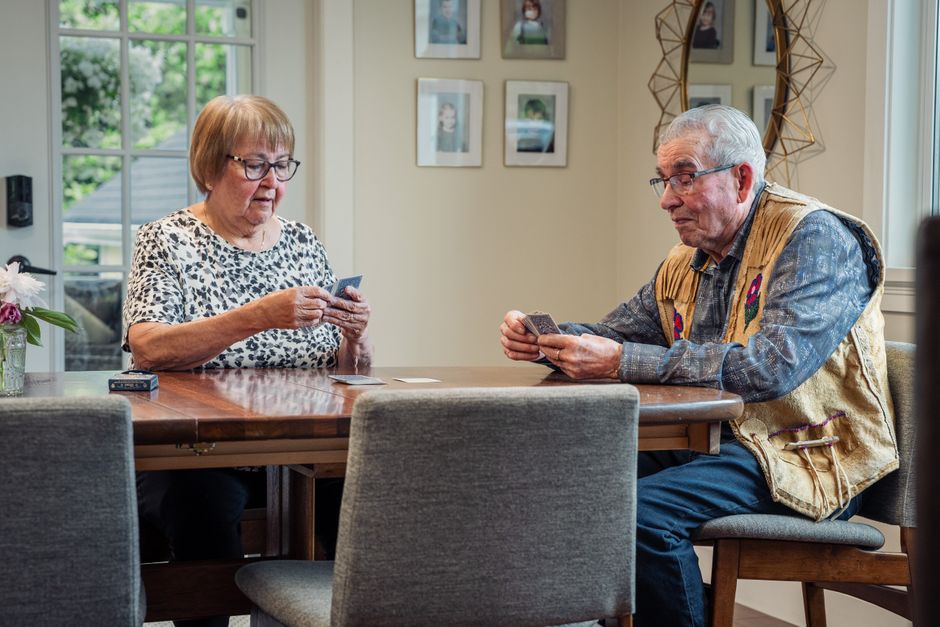
What games and pastimes are most popular in assisted living?
Residents in Coraopolis, PA, often enjoy familiar activities that encourage conversation, gentle mental stimulation, movement, creativity, or relaxation. The most successful pastimes are not necessarily complicated. They are activities that feel welcoming, can be adapted to different abilities, and allow people to participate at their own pace.
Common favorites include:
- Card games such as bridge, pinochle, rummy, and simple matching games
- Bingo with large-print cards and clearly spoken numbers
- Jigsaw puzzles, word searches, crossword puzzles, and trivia
- Board games with easy-to-read pieces
- Music listening, sing-alongs, and rhythm activities
- Knitting, crocheting, painting, crafts, and seasonal decorating
- Gardening with containers or raised planters
- Walking, stretching, chair exercises, and indoor bowling
- Storytelling, discussion groups, and reminiscence activities
- Reading groups, movies, and educational presentations
A good activity calendar usually includes several types of pastimes rather than relying on a single game. Preferences vary widely, even among residents of similar ages.
Why do games matter in assisted living?
Games provide more than entertainment. They can create a predictable reason to leave a room, spend time with others, and maintain familiar routines. A short card game may offer social connection, while a word puzzle may provide quiet concentration.
Activities can also support a sense of identity. Someone who has played cards for decades may feel more comfortable joining a card table than attending a new group activity. A former gardener may enjoy planting herbs, while someone who dislikes competition may prefer music, crafts, or conversation.
Games may support:
- Social interaction and a sense of belonging
- Hand coordination and visual attention
- Memory practice through familiar rules and routines
- Communication and storytelling
- Safe movement and balance practice
- Confidence through achievable goals
- Emotional well-being and reduced boredom
These benefits should be viewed realistically. A game does not prevent every memory or health change, and not every resident enjoys group participation. The value often comes from meaningful engagement rather than from winning or completing a difficult task.
Which games work well for residents with memory loss?
Simple, familiar, and flexible activities often work best for people living with memory loss. The activity should focus on enjoyment instead of correct answers, speed, or competition.
Helpful options may include:
- Sorting playing cards by color or suit
- Matching socks, towels, pictures, or large cards
- Folding napkins or pairing objects
- Looking through photo albums
- Singing familiar songs
- Rolling a soft ball back and forth
- Completing simple puzzles with larger pieces
- Decorating cookies or assembling easy craft projects
- Naming items connected with a season, hobby, or past job
A resident may not remember the rules of a game but may still enjoy handling the pieces, listening to conversation, or recognizing a familiar song. Staff and family members can reduce frustration by offering one step at a time, demonstrating rather than correcting, and stopping before fatigue becomes obvious.
The same activity may need to change over time. A person who once enjoyed a full card game might later prefer sorting cards, choosing colors, or watching others play.
Are competitive games appropriate?
Competitive games can be enjoyable when the atmosphere remains friendly and optional. Some residents like the challenge of keeping score, while others feel uncomfortable being compared with others.
The best approach is to match the game to the person. Low-pressure choices include cooperative puzzles, team trivia, partner games, and games where everyone receives encouragement. If a resident becomes upset after losing, the activity can be adjusted by removing scorekeeping or emphasizing participation.
Large-print cards, high-contrast game boards, card holders, and easy-grip pieces can make competition more comfortable for residents with vision changes, arthritis, tremors, or reduced dexterity. Rules may also be simplified without taking away the purpose of the activity.
What pastimes help residents stay physically active?
Physical activity does not have to mean a formal workout. Many residents benefit from short, regular movement woven into the day.
Examples include chair exercises, stretching, gentle dancing, walking indoors, balloon volleyball, beanbag toss, and indoor bowling with lightweight equipment. Music can make movement feel more natural and less like an exercise requirement.
Seasonal activities can also encourage movement. In Coraopolis, changing weather may limit outdoor plans at times, particularly during cold, wet, or icy conditions. Indoor walking routes, hallway scavenger hunts, seated movement groups, and tabletop activities can help maintain variety when outdoor areas are less comfortable.
Any movement activity should account for a resident’s balance, endurance, pain, vision, hearing, and medical instructions. A person should be able to pause or choose a seated version without embarrassment.
How can hobbies support creativity and independence?
Creative hobbies give residents opportunities to make choices and produce something personal. The finished item is less important than the process of selecting colors, arranging materials, expressing preferences, and sharing the experience with others.
Accessible creative activities may include watercolor painting, collage, decorating greeting cards, flower arranging, knitting, crocheting, clay work, or assembling seasonal displays. Materials should be easy to see and handle. Larger needles, thicker brushes, pre-cut shapes, and containers that do not spill easily can reduce barriers.
Cooking-related activities can also be meaningful, particularly when they involve familiar recipes or food traditions. Residents might measure ingredients, stir batter, arrange fruit, decorate baked goods, or discuss favorite meals. Food allergies, swallowing concerns, diabetes, and dietary restrictions should be considered before serving anything.
How can families choose a good activity for a loved one?
Start with the person’s history, not with an activity list. Ask what the resident enjoyed before retirement, what music was meaningful, whether they preferred groups or quiet hobbies, and whether they liked competition.
Useful questions include:
- Does the resident prefer conversation or concentration?
- Are familiar routines more comfortable than new instructions?
- Would large-print or adapted materials help?
- Is the activity manageable while seated?
- Does the resident enjoy doing something with others, or watching first?
- Are there cultural, religious, or personal preferences to respect?
- What time of day brings the most energy and attention?
Participation should remain voluntary. A resident may enjoy an activity one week and decline it the next because of fatigue, pain, mood, medication effects, or a change in interest. Offering two or three choices is often more effective than insisting on one planned pastime.
What makes an activity successful?
A successful activity is usually welcoming, adaptable, and appropriately paced. It does not need to fill a large room or involve expensive materials. A quiet table with familiar cards, a few chairs, and enough time for conversation may be more enjoyable than a complicated event.
Helpful activity planning includes:
- Clear instructions given one step at a time
- Adequate lighting and reduced background noise
- Seating that supports comfort and safe movement
- Materials that are large, contrasting, and easy to grip
- Alternatives for residents with hearing, vision, or memory changes
- Time for breaks and informal conversation
- Recognition that observing can be a valid form of participation
The most meaningful pastime may be a familiar one: sorting photographs, listening to a favorite style of music, sharing a family recipe, tending a small plant, or playing a game remembered from childhood. In assisted living, enjoyment does not depend on perfect performance. The activity works when it gives a resident a comfortable way to connect, choose, remember, create, or simply spend a pleasant part of the day.
